The Secular Hall was opened in 1881, is now a Grade II listed building, and has hosted radical speakers. Originally the upstairs room was set out as a lecture hall to host talks and the Gimson room on the ground floor was used as a library and bar. There is also a third floor used to store archival materials. The lecture hall now hosts a dance school and the cellar a karate group and room hire provides an income to maintain the building. Large integral gates on the left hand side of the hall as you look at it from the outside originally opened onto an alleyway that connected the Haymarket to the tanneries and similar industries, long since demolished, in South Highfields. At one point, the building manager lived on site although there was no bath or laundry facilities as the expectation was the manager and his family would use the bathing and laundry house on nearby Vestry Road (approximately where Vestry House is now). The exterior of the building has five terracotta busts: Socrates, Jesus, Francois Michael Arouet de Voltaire (who wrote as Voltaire), Thomas Paine (who wrote the “Rights of Man”) and Robert Owen who helped found the first British trade union and worked to prevent child labour, set up schools and began insurance schemes for old age and sickness when no welfare was available. The Secular Society were keen to point out that women had spoken at the hall, suffragette Alice Hawkins had been a member and speculated that had the society existed during Elizabeth Heyrick’s time, she would have been welcome as a member.
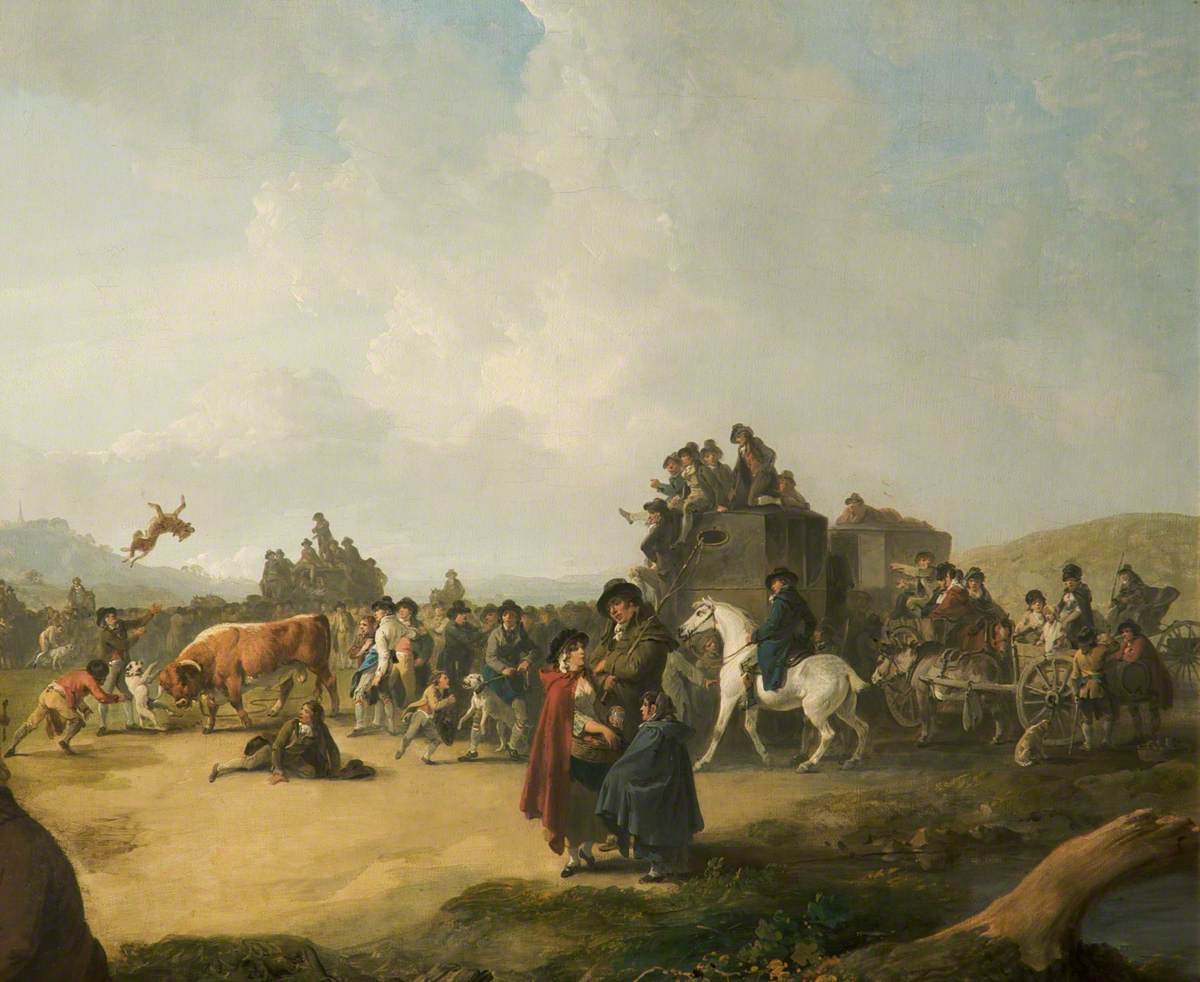
The society’s “Elizabeth Heyrick: Leicester’s Forgotten Hero” event was held in the Gimson Room, named after Sydney Gimson, who was one of the first chairs of the Leicester Secular Society. Elizabeth Heyrick Society Chair, Joshua Thorpe, set the scene with a family portrait of an outside picnic where the family wore some clothing made from cotton and drank tea with sugar, illustrating how normalised use of goods produced by slaves was at the time. He introduced Elizabeth Heyrick with a brief biography, emphasising her work in setting up Ladies’ Anti-Slavery Societies and the boycott of West Indian sugar. Joshua also mentioned her other social justice work supporting Elizabeth Fry’s work in prisons and campaigns for better working conditions plus Elizabeth Heyrick’s animal welfare concerns, especially her anti-bull baiting stance.

Joshua outlined why the Elizabeth Heyrick Society was formed and its work to create education materials for schools and fundraise for a statue for her. Her former family home near St Nicholas Church has been demolished. Her marital home, Bow Bridge, where she founded a school, was demolished. The city council have put up an information plaque near the site, but it’s on the junction of the A47 and Fosse Road so not easily accessible and not in a place that gets pedestrians. She was originally buried in Gallowtree Gate but placed in an unmarked communal grave when the burial site was removed to Welford Road Cemetery and the grave marker does not carry her name. A statue would provide a focal point and is significant because society raises statues to people it values.
A question and answer session followed Joshua’s talk. There was mention of modern slavery and whether Elizabeth Heyrick would have campaigned against it if she were alive today. Although we can’t put words into her mouth, there’s every chance she would, but the techniques she used to get the anti-slavery message across can be used and learnt from today. There was another question about whether there had been any support from the Religious Society of Friends (Quakers), given that the founder, George Fox, had been born in Leicestershire and Elizabeth Heyrick in Leicester. Conversations continued during refreshments. One person asked about Elizabeth Heyrick’s biography written by Jocelyn Robson and whether it could be available in Leicester City libraries. There is a copy in the library at Leicester Quaker Meeting House on Queens Road in the city. Another person suggested making a film of Elizabeth Heyrick’s work. This echoes a suggestion from the University of Leicester’s Heritage Fair on 21 March where a visitor suggested making a film of one-woman-show about Elizabeth Heyrick.
%20-%20(MeisterDrucke-177377).jpg)